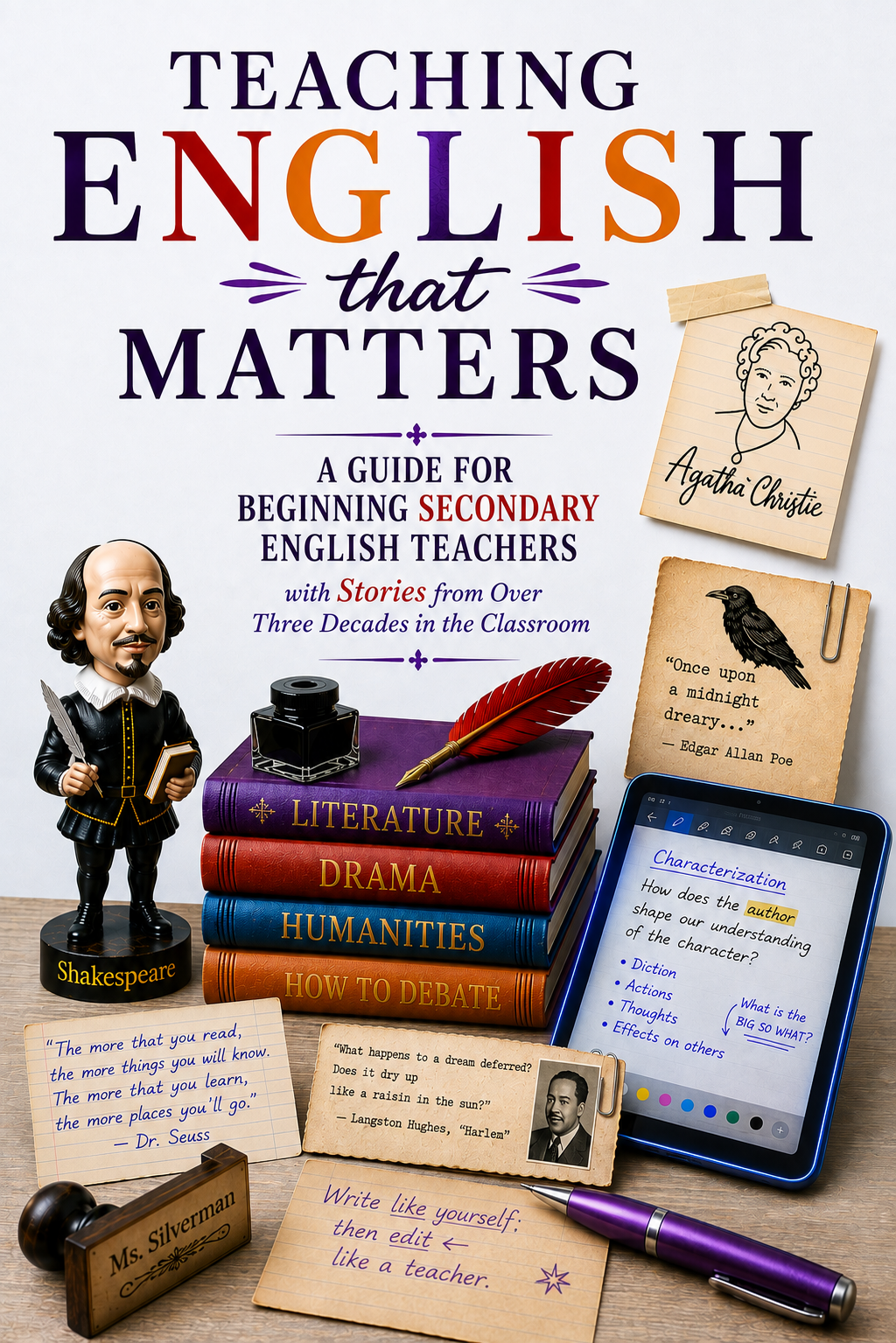
Teaching English That Matters
A practical, candid guide for beginning and early-career secondary English teachers, drawn from more than three decades in the classroom. From classroom management and daily routines to teaching literature, reading, writing, grammar, and the challenges of technology and AI, the book focuses on what actually works with real students.
More than a book to read: it also includes access to an extensive collection of ready-to-use and adaptable digital resources—lessons, presentations, reading and writing activities, classroom forms, student response materials, organizational tools, and more.
Audrey Silverman
Educator, Writer, Musician
BOOKS:
The book includes an extensive collection of ready-to-use and adaptable classroom materials for secondary English teachers. If you purchased a copy of Teaching English That Matters, access your accompanying digital resources here.
Digital Resources for
Teaching English That Matters
Have your book handy?
The digital resources accompanying Teaching English That Matters are for book owners.
Turn to page 24. What is the fourth “P” about learning?
Learning should be __________.
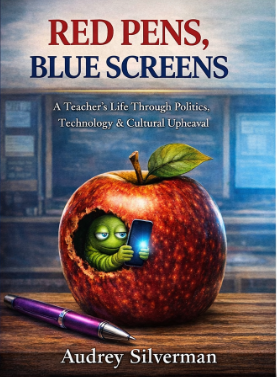
Red Pens, Blue Screens
Part memoir, part classroom comedy, and part cultural history, Red Pens, Blue Screens looks back on more than three decades in education—from handwritten essays and red pens to laptops, virtual classrooms, and artificial intelligence. Through stories of students, teachers, Speech & Debate, changing technology, and a rapidly shifting culture, it explores what has changed in education, what has been gained, and what may be getting lost along the way.
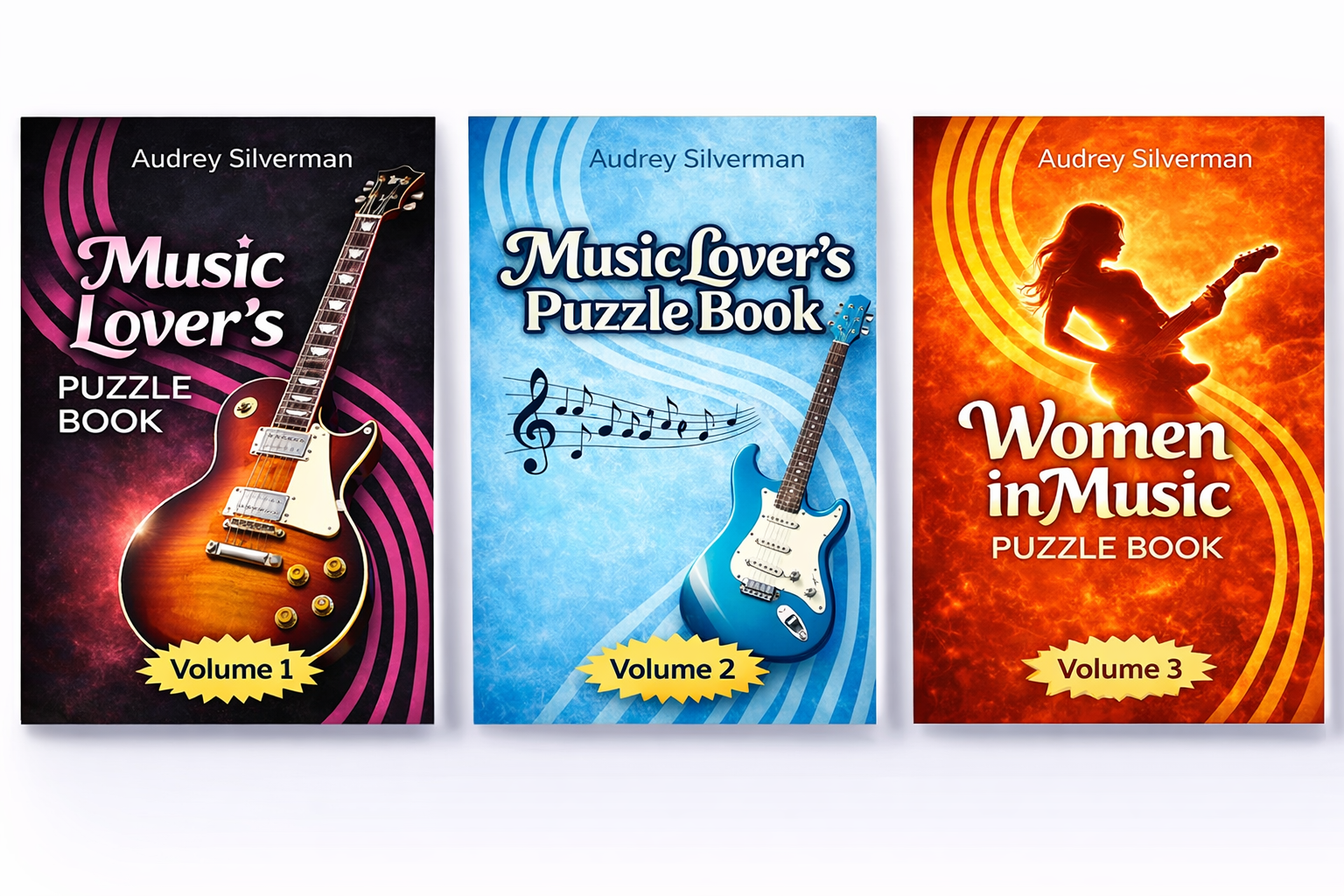
Music Lover’s Puzzle Books
Created for people who genuinely love music, these puzzle books range across rock, pop, country, blues, punk, alternative, women in music, legendary artists, songs, albums, instruments, and decades of music history. Every topic and every word has been personally selected and hand-curated by a lifelong musician and music obsessive—no AI-generated lists, no automated filler. Just one very overactive music-lizard brain.
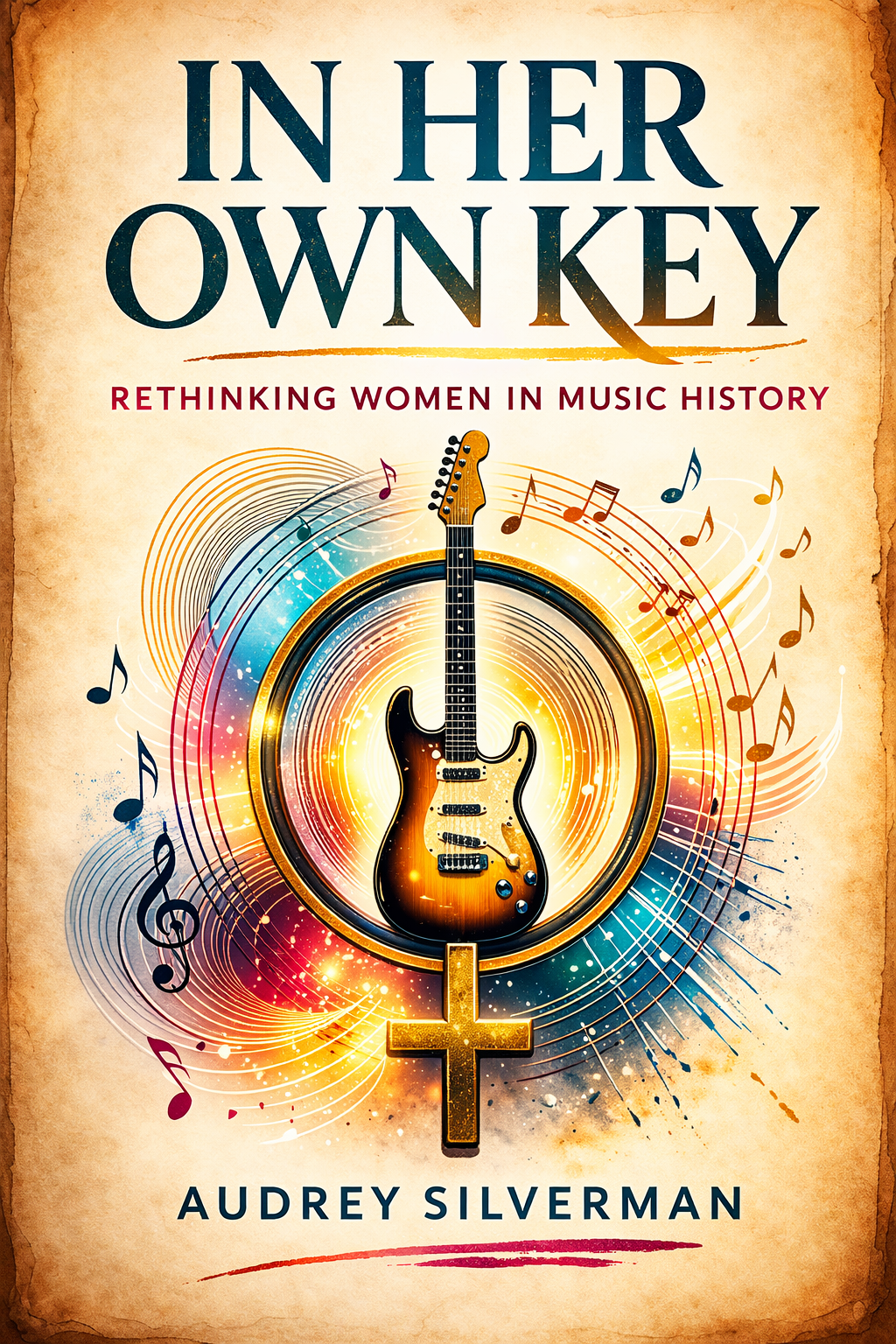
In Her Own Key: Rethinking Women in Music History
Women have always been part of music history—but the history has not always been written that way. In Her Own Key traces women’s contributions across generations and genres, examining the artists, musicians, songwriters, performers, and innovators whose work helped shape the music we know.
From blues, jazz, country, folk, and early rock and roll through punk, alternative, hip-hop, and contemporary music, the book challenges familiar narratives, revisits overlooked stories, and considers how women created, performed, influenced, and changed popular music on their own terms.
Coming soon.
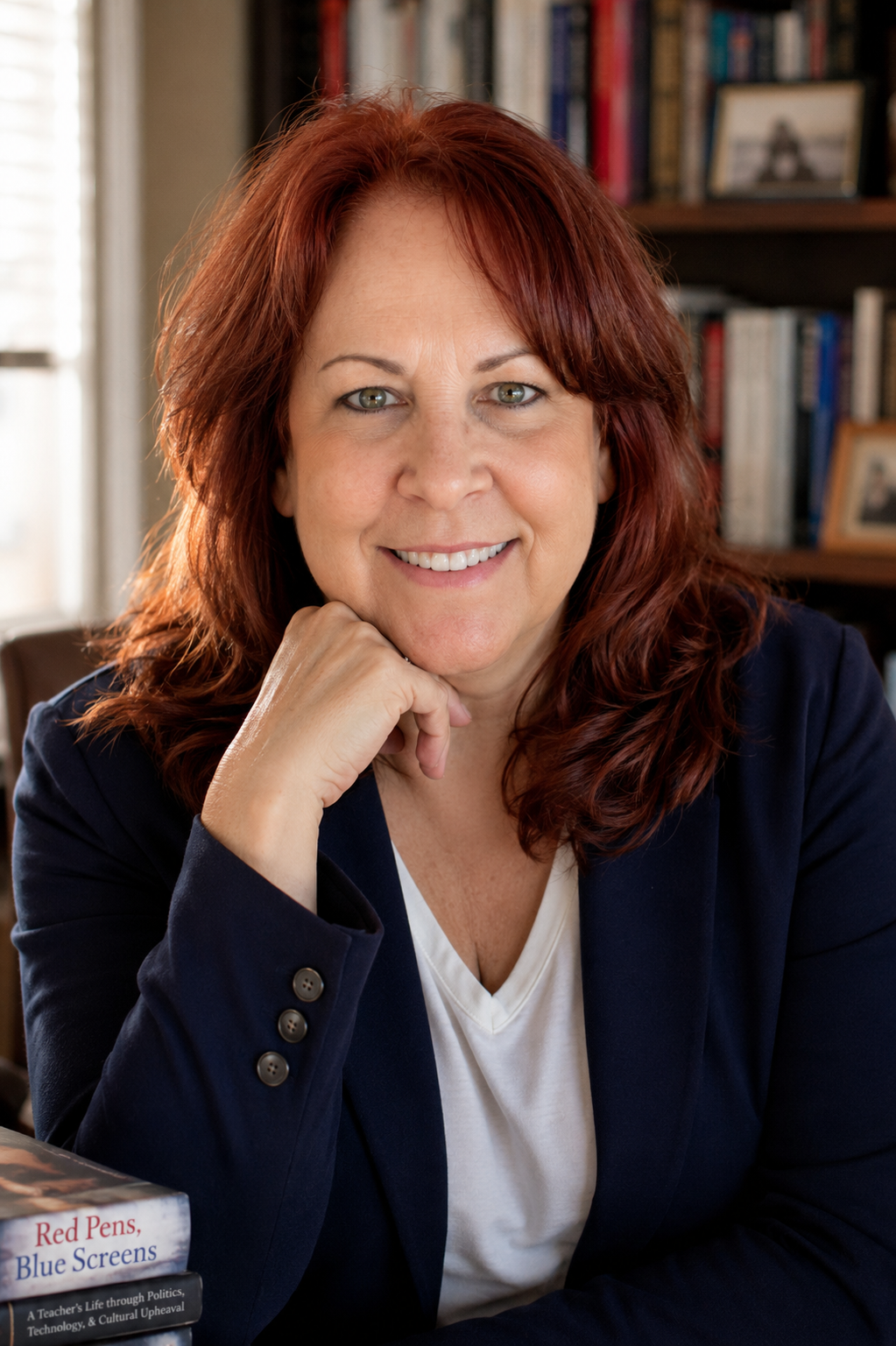
Audrey Silverman is a teacher, writer, musician, and longtime speech and debate coach whose career in education spans more than three decades. She has taught English at the middle school, high school, and college levels and is a National Board Certified Teacher.
Her writing grew out of the same things that have kept her interested in teaching all these years: literature, language, argument, humor, and the endlessly unpredictable business of working with human beings. Her books range from education and classroom life to music history, puzzles, and fiction.
Away from the page and classroom, Audrey has spent more than three decades playing guitar and bass. Music isn't a decorative biographical detail for her; it has been a parallel life alongside teaching and writing.
This site brings those worlds together—books, teaching, music, and whatever she decides to write about next.
Featured Blog Post:
If Great Writers of the Past Used Chat GPT
I was musing over the idea of ChatGPT affecting my own writing in several ways: I am often likely to be rather verbose. I sometimes use unnecessarily “creative” language. Plus, I frequently take liberties with punctuation (according to my dearest editor…).
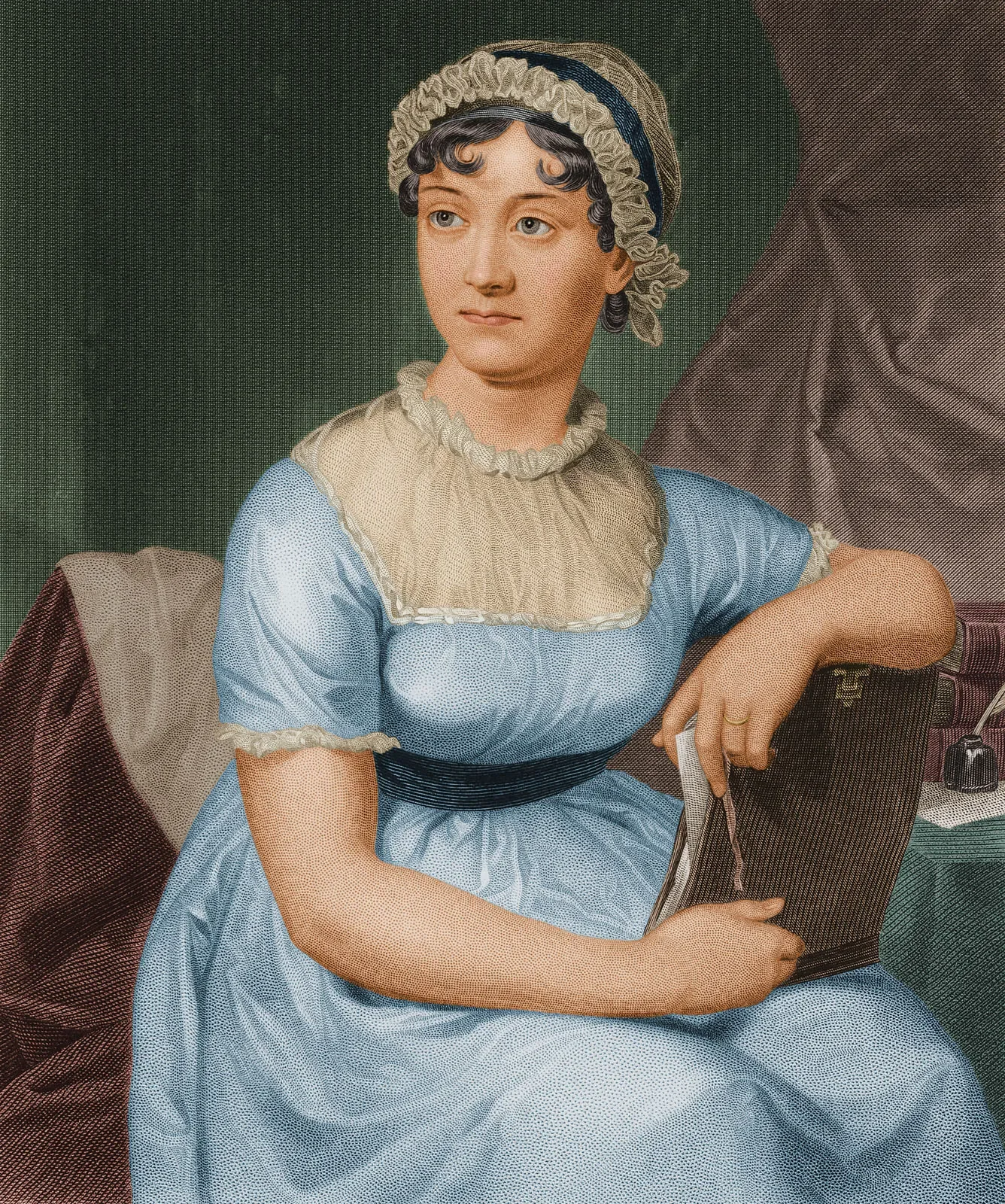
So I found myself imagining Jane Austen sitting across from ChatGPT, patiently waiting for feedback on the opening sentence of Pride and Prejudice. Once I started down that rabbit hole, I couldn’t stop. Before long, Dickens, Plath, Morrison, Dostoevsky, and Chaucer had all been summoned for a quick editing session.
JANE Austen:
“It is a truth universally acknowledged, that a single man in possession of a good fortune, must be in want of a wife.”
ChatGPT: Jane, you might want to consider this instead:
People often believe that rich single men want to get married.
Charles Dickens:
“It was the best of times, it was the worst of times, it was the age of wisdom, it was the age of foolishness…”
ChatGPT: Charles, dear, try this on for size. It will make your readers less exhausted:
It was a contradictory time.
Sylvia Plath:
I saw my life branching out before me like the green fig tree in the story. From the tip of every branch, like a fat purple fig, a wonderful future beckoned and winked. One fig was a husband and a happy home and children, and another fig was a famous poet and another fig was a brilliant professor….
ChatGPT: Oh Sylvia. Try to look at the bright side now and again… Here’s an idea for you:
I saw many possible futures ahead of me.
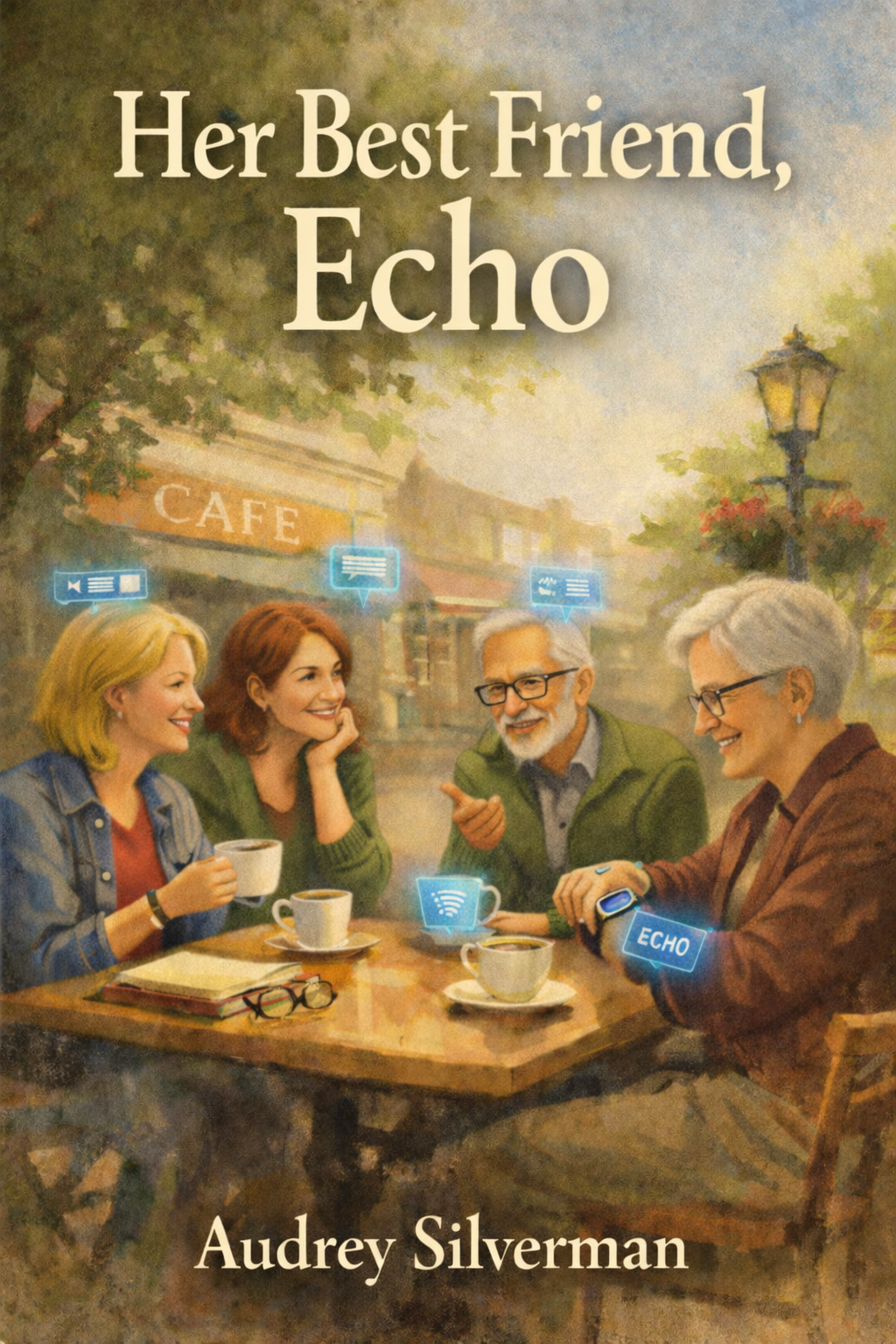
Her Best Friend, Echo
What happens when your AI assistant stops feeling like a tool and starts feeling like a friend? Her Best Friend, Echo is a funny, slightly unsettling look at friendship, technology, and the increasingly blurry line between human relationships and artificial intelligence.
Available now on Amazon.